

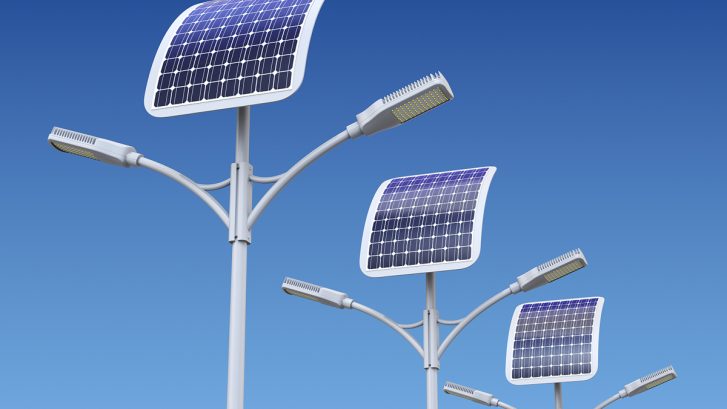
There is pressure on the transportation agencies to increase safety on the roadways as well as ensure that stricter regulations are followed. Lighting is very important for visibility, traffic control, and the safety of both the drivers and pedestrians. Solar Lighting for DOT compliance has come as a reliable alternative that ensures regulatory compliance as well as decreases energy reliance.
With the increased infrastructure penetrating into rural and inaccessible regions, the traditional grid-powered lighting is expensive and inefficient to implement. The other alternative is the use of solar-powered systems, which are in line with the current sustainability objectives. Such systems offer uniform lighting with minimal electrical installations and maintenance costs.
Understanding DOT Compliance in Lighting
Importance of Regulatory Standards
There are Department of Transportation guidelines that provide homogeneity in safety and visibility throughout the public roadways. The lighting must be sufficient in brightness, positioning, and reliability. To reduce the number of accidents, improve the movement of traffic, and nighttime driving conditions, compliant systems are applied
Challenges with Conventional Lighting
Traditional lighting infrastructure often requires trenching, wiring, and connection to the electrical grid. This would prove difficult in distant places, such as bridges or temporary places. The cost in the long term, which includes maintenance and energy costs, also makes it difficult to make sure that compliance is always upheld.
Role of Solar Technology
The solar lighting systems are aimed at fulfilling the requirements of illumination without the use of grid power. Batteries in the integrated solar panels and LED fixtures work in collaboration with each other to provide reliable lighting during the night. This makes solar solutions suitable for locations where conventional systems fall short.
Key Benefits of Solar Lighting Solutions
Consistent Illumination Performance
Modern solar lights have been designed to have a homogenous release of light to meet the roadway needs. Advanced battery storage ensures operation during cloudy days and extended nights. This consistency is critical in compliance and protection of the citizens.
Reduced Installation Complexity
The units of solar lighting are self-contained, making it easy to install. Projects that use underground wiring require less time to be done without causing significant inconvenience to the traffic and the surroundings. This is advantageous to retrofits and temporary installations in particular.
Lower Operational Costs
Due to the fact that solar lights do not require being connected to the grid, it does away with electricity expenses. Another benefit is the maintenance, as fewer components and long-lasting LED technology contribute to the minimization of maintenance requirements. In the long run, this will save a great deal of money for the transportation agencies and the municipalities.
Applications in Transportation Environments
Highways and Roadways
The use of solar lighting is common in lighting road curves and entrances where visibility is a critical factor. These installations improve awareness among the drivers and minimize the probability of accidents, particularly during low traffic and in rural locations.
Intersections and Crosswalks
Intersections and pedestrian crossings need to be well illuminated. These areas can be strategized with solar lighting systems that can be used to illuminate them at night without having to invest so much in improving infrastructure.
Construction and Work Zones
Road construction will normally need temporary lighting to ensure safety. The use of solar-powered lights offers flexibility that can be used by relocating the lights where required without compromising the project during the entire project time.
Design and Durability Considerations
Weather-Resistant Construction
Outdoor lighting systems should be able to withstand extreme weather conditions such as heat, rain, and wind. The solar lighting units are constructed using hardy materials and aluminum covers that would guarantee them extended operation in harsh conditions.
Smart Control Features
The systems that have smart controllers to regulate the lighting programmes and energy usage are numerous. Some of the options that can be exploited to maximize the performance and, nevertheless, make sure that the necessary brightness levels are attained are the dusk-to-dawn mode and the capability to adjust the brightness.
Supporting Sustainable Infrastructure Goals
Solar light is coupled with other sustainability processes regarding the reduction of carbon emissions and the use of fossil fuels. Transportation agencies are interested in the development of sustainable infrastructure, as evidenced by the use of solar solutions.
Why Choose ClearWorld?
Choosing Clear world means we deliver dependable solar lighting for dot compliance, designed to meet roadway safety and performance requirements. Our products incorporate high-tech solar capability, long-life construction, and uniform light. We are centered on simplified installations, low operating cost, and extended service. The experience that we can offer assists the transportation agencies in having sustainable lighting systems that can assist to sustain compliance in various roadway systems and road infrastructure projects.
Conclusion
Solar Lighting for DOT compliance provides transportation planners with a reliable and efficient way to meet safety standards while embracing sustainable technology. By offering consistent illumination, simplified installation, and long-term cost benefits, solar solutions support compliant and forward-looking roadway infrastructure.