

As we continue to expand the size of our renewable energy businesses, we find ourselves shifting from a focus on cost as the primary factor in evaluating renewable energy to questioning What Is The Cheapest Renewable Energy Source. The answer to this question will vary depending on more than just the upfront capital cost of developing a renewable energy source; it will also depend on how long the renewable energy source can reliably supply power during times of failure.
In addition, the ability of a renewable energy source to reliably provide energy over time makes that source affordable to both large communities and small businesses that cannot afford to experience interruption in their service or downtime from their energy systems.
Looking Beyond Upfront Cost – Reliability Defines True Affordability
From a reliability-over-time perspective, renewable energy must perform under real-world conditions, not just ideal ones. Here’s what risk-aware decision-makers consider:
- Operational Continuity During Disruptions: Energy must be able to operate on its own when the conventional energy grid is down, providing continuous lighting and power.
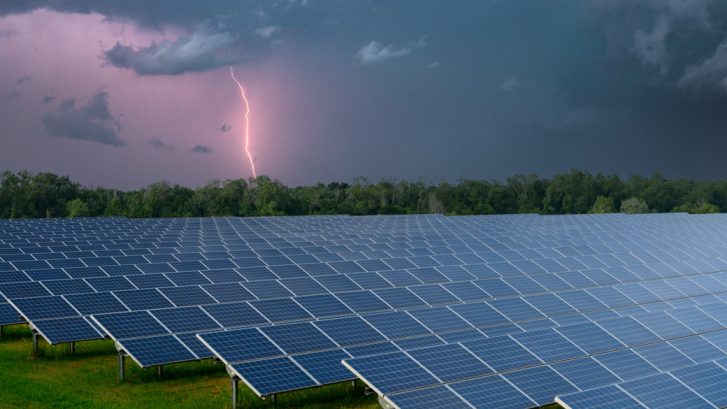
- Resistance to Extreme Weather: Renewable energy solutions should be able to resist extreme weather conditions such as high temperatures, storms, and climate change without compromising performance.
- Low Maintenance Requirements: Energy solutions with fewer moving parts are less expensive to repair and do not require constant technical maintenance.
- Predictable Long-Term Performance: Reliable long-term energy performance is more important than current efficiency.
- Scalability Without Infrastructure Risk: The most economical sources of energy are scalable without putting a strain on the existing infrastructure.
Why Solar Emerges as the Most Reliable Low-Cost Renewable Option
In evaluating reliability in instances of failing power systems and extreme weather, solar energy has consistently proven to be the best choice for energy solutions because it is not dependent on other infrastructures or geographic locations. Additionally, new solar energy systems now have the ability to store power and distribute electricity without being reliant on the grid, making them a robust energy source in times of crisis.
From a financial perspective, solar energy systems provide a consistent source of energy while requiring minimal maintenance and not having to purchase fuel, thereby reducing operational risks associated with owning and operating your own power source. As a result of this long-term reliability, solar energy has the lowest total annual cost for municipalities, businesses, and remote locations compared to other power sources.
At this point in the decision-making process, decision-makers are moving away from the concept of purchasing based solely on a price tag and are beginning to evaluate the lifetime value of an energy source. Therefore, a power source that continues to function when other energy sources fail is the best solution, in fact.
How ClearWorld Delivers Reliability at Scale
They approach renewable energy with a focus on durability, resilience, and long-term cost control. Its solutions are designed for environments where grid reliability cannot be assumed.
- Off-Grid Solar Infrastructure: ClearWorld’s solutions are not dependent on the conventional power grid, ensuring that they function even in the event of a power outage.
- Integrated Energy Storage: ClearWorld’s solutions have energy storage capabilities, ensuring that energy is available 24/7, even in the event of a prolonged power outage.
- Low Maintenance Infrastructure: ClearWorld’s solutions are designed using components that have a long lifespan, ensuring that they require minimal maintenance, thus lowering the cost of doing business in the long run.
- Weather-Resistant Infrastructure: ClearWorld’s solutions are designed to withstand harsh weather conditions, ranging from high temperatures to heavy rainfall.
By prioritizing reliability and simplicity, ClearWorld transforms solar from an alternative energy source into a dependable infrastructure asset.
Conclusion
Evaluating the reliability of renewable energy over time shows that the most cost-effective option is the one that continues to function when all other options fail. Systems that require less maintenance, do not rely on fuel sources, and are independent of unstable electricity grids provide proven economic benefits. This is where Solar LED Panels stand out by providing consistent performance, long-term reliability, and dependable pricing. There are, therefore, many viable reasons why solar power provides not only a long-term sustainable energy source but also a strategic, cost-effective energy source over the long term.