

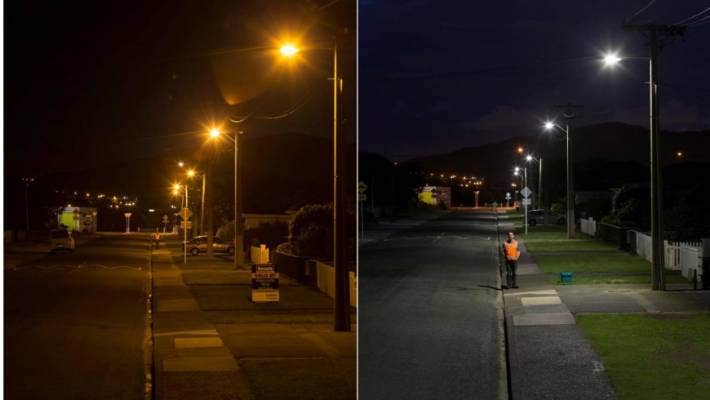
What changed the minds of transportation engineers who walked away from solar highway lighting a decade ago and never looked back? The honest answer is not panels, poles, or pricing; it is batteries. The lithium iron phosphate systems now powering Solar LED Lighting For Highways have fundamentally rewritten the reliability equation that once made DOT specification writers hesitate. ClearWorld has spent considerable engineering resources making sure the old limitations no longer define this technology, and if you evaluated solar highway lighting before and walked away unconvinced, this blog is specifically worth finishing.
Why Does ClearWorld’s Battery Approach Change the Entire Conversation?
We built our Solar LED Lighting For Highways around one core conviction: battery performance is not a supporting specification. It is the entire reliability foundation that everything else depends on. ClearWorld integrates lithium iron phosphate battery technology into every highway deployment because it is simply the most technically defensible choice available for transportation infrastructure operating under genuine, real-world conditions day after day.
Multi-Day Autonomy
Our battery systems maintain full highway illumination through consecutive overcast days without any solar recharge at all. Engineers specifying for northern climates or extended storm seasons get genuine autonomy capacity, not optimistic estimates calculated under ideal conditions that rarely occur.
Wide Temperature Performance
Lithium iron phosphate chemistry holds consistent charge and discharge performance across extreme temperature ranges, from intense Texas summer heat to northern winter conditions that historically degraded earlier solar battery technologies well before their rated cycle life was ever reached.
Extended Cycle Life
Earlier battery technologies lost meaningful capacity within a few years of active highway deployment. Our LFP systems are engineered for thousands of charge cycles with minimal capacity loss, which translates directly into lower lifecycle maintenance costs across the full project term and beyond.
How Does Solar LED Lighting For Highways Perform Where It Actually Matters?
Solar LED Lighting has moved well past the proof-of-concept stage that gave specification writers legitimate pause years ago. Modern deployments are demonstrating performance levels that earlier evaluations simply could not have anticipated, and the data returning from active highway installations is genuinely shifting specification conversations at the DOT level across multiple states.
Grid-Free Corridor Lighting
Highway segments far from existing distribution infrastructure have always carried disproportionate grid connection costs that inflate project budgets considerably. Solar LED Lighting For Highways eliminates those costs while delivering illumination that meets or exceeds standard highway lighting specifications without compromise.
Weather Event Immunity
Highway lighting that stays fully operational during ice storms and hurricanes that knock out grid power is not an ambitious specification; it is a public safety baseline. Battery-backed solar systems deliver that baseline consistently and without the single point of failure that grid dependency always introduces into highway infrastructure.
Lower Civil Infrastructure Costs
Trenching, conduit runs, and transformer installations add substantial cost and schedule risk to conventional highway lighting projects. Solar deployments eliminate most of that civil scope, which makes project economics genuinely competitive even before energy savings enter the financial calculation at all.
Photometric Standard Compliance
Modern Solar LED Lighting For Highways fixtures deliver uniform, measurable lux levels that fully meet AASHTO and IES highway lighting standards. The era of solar highway lighting falling short of photometric specifications in DOT reviews is genuinely and permanently behind us now.
Phased Corridor Scalability
ClearWorld’s modular system architecture supports phased highway corridor deployment that aligns naturally with DOT capital budgeting cycles, without creating integration complications as additional segments come online across successive fiscal years and funding allocations.
Conclusion
Battery innovation is the real reason Solar LED Lighting For Highways deserves a completely fresh technical evaluation from every DOT specification team that dismissed it years ago. Lithium iron phosphate systems have resolved the autonomy, durability, and temperature performance gaps that defined the technology’s earlier limitations so thoroughly. ClearWorld engineers highway solar lighting systems around these genuine advances, delivering reliable, grid-independent illumination that performs across real operating conditions consistently.