

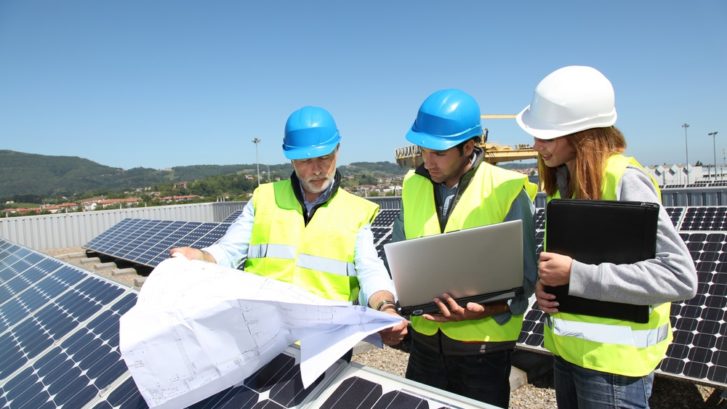
The solar uptake is increasing rapidly, with communities and businesses demanding reliable green energy. The conversation has moved beyond panels to the systems that allow solar to perform reliably at scale. Infrastructure Requirements for Solar Energy determine the planning, financing structures, and maintenance of the projects to be constructed and installed in different regions. Infrastructure becomes a living ecosystem, and solar investments bring in the value of long-term value and sustainability.
Planning with place and purpose
Successful solar development begins with land use strategy and regional intent. The sites have to be aligned with the local zoning, environmental sensitivity, and long-term growth plans. The proximity to the grid is important, but it is also important to the construction and maintenance crews. Planning ahead reduces delays and also establishes trust with other stakeholders with whom they share the landscape.
Key planning considerations include
- Site suitability based on sunlight patterns, soil stability, and drainage
- Community compatibility admitting agriculture, wildlife, and a visual background.
- Expansion potential to prevent redesigns that are not economical.
Grid readiness and system integration
The power grid is the infrastructure that transforms the sun into power. Feeder lines and interconnection capacity substations should be able to support variable generation without affecting reliability. The smart inverter and contemporary control systems are used to balance the voltage, frequency, and also respond quickly to demand.
The benefits of coordinated upgrades include solar in tandem with grid modernization in utilities. Modern surveillance enables operators to predict production and regulate congestion. The integration mentality ensures that power is transferred without any interruptions as solar penetration increases.
Storage as a reliability multiplier
Energy storage extends the value of solar by shifting the supply to when it is needed most. Batteries decrease curtailment, support peak demand, and offer backup when there is an outage. Storage infrastructure involves both batteries and thermal management safety systems, and dispatch optimization software.
Storage is also resilient as it is stored in strategic places close to critical loads. This is in place of the water system and emergency services in hospitals, and reduces the total cost of the system.
Construction logistics and workforce readiness
Building solar infrastructure needs the integration of logistics and a professional working force. Projects on time have access roads, staging areas, and secure equipment storage. The training programs also guarantee that the technicians can install and maintain systems of high standards.
The growth of the local workforce enhances the economy and reduces the time it takes to respond to operations. Precise safety measures and quality assurance control how people and assets are safeguarded during the project lifecycle.
Digital foundations and data visibility
The modern solar infrastructure is based on information. Performance is given real-time insight with sensor communications networks and analytics platforms. Problems can be identified promptly, and output maximized and maintenance planned effectively by the operators.
Transparent reporting to the investors, regulators, and customers is also made possible by digital visibility. With the free flow of data, there is better decision-making and increased confidence.
Policy alignment and financing pathways
Policy and finance must go hand in hand in the infrastructure. Simplified approval of fair rules of interconnection and predictable incentives reduces risk. Long-term performance-based financing models promote long-lasting construction and maintenance.
The collaboration between the public and the private enables access to capital in grid upgrades, storage deployment, and community-scale projects. Such alignment propels the process and holds accountability at the same time.
Why Choose ClearWorld?
Choose ClearWorld since our strategy on Infrastructure requirements is based on the real world solutions that favour long term performance and reliability. We are the architects and creators of solar infrastructure that is planned well in advance with future scalability and grid readiness. The smart integration, storage readiness, and operational efficiency are the main priorities of our team to make sure that our projects will provide consistent, clean energy and long-term value to communities and businesses.
Conclusion
Infrastructure Requirements for Solar Energy define the difference between short-term installations and enduring energy systems. Solar can form the basis of a stable energy future by planning holistically that incorporates the use of storage to empower people and to spend the data smartly. Solar brings reliable power and collective prosperity when the infrastructure decisions are made based on local needs and a long-term vision for infrastructure.