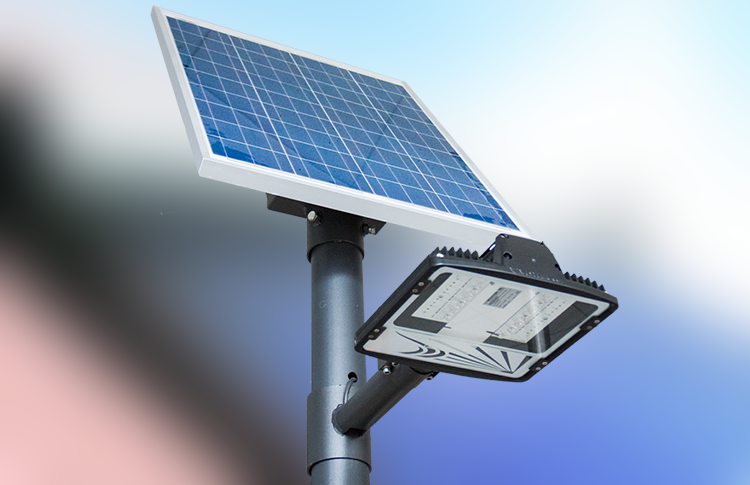
How Solar Light For Campus Upgrades Supports Real Sustainability Goals
Universities are under real pressure these days to cut emissions and actually show environmental leadership, not just write about it in a glossy report that sits on a shelf. Solar Light For Campus infrastructure gives schools a concrete way to follow through on that promise, swapping grid-dependent lighting for self-powered systems that quietly shrink a campus’s carbon footprint every single night, without anyone needing to flip a switch or think twice about it. At ClearWorld, we’ve built our systems around exactly this shift.
Does Solar Light For Campus Cut Emissions?
Every grid-tied light on a campus pulls power from an electrical system that, in most places, still relies heavily on fossil fuels, even in regions that talk a big game about clean energy. That link alone makes traditional lighting one of the quieter contributors to a university’s carbon footprint, even though it rarely comes up when sustainability committees sit down to talk. We built our systems to break that link completely, generating power straight from sunlight instead of pulling it from a grid that most campuses have little control over.
Clean Power: Each fixture runs entirely on solar energy captured during the day, taking fossil-fuel electricity out of the picture altogether, fixture by fixture, pathway by pathway.
Fewer Emissions: Without a grid connection, campus lighting stops adding to the emissions tied to traditional power generation, night after night, year after year.
Green Projects: Solar lighting gives sustainability offices something real and visible to point to when showing actual progress toward climate goals, rather than another line in a report.
Is Solar Light For Campus Truly Grid-Independent?
Energy independence isn’t just about emissions, even though that’s usually where the conversation starts. A campus that leans entirely on the grid also deals with outages, rising rates, and strain on infrastructure that has nothing to do with sustainability at all, and everything to do with budgets that rarely have room to stretch. We designed our systems so campuses don’t have to carry that risk anymore, regardless of what happens to the grid around them.
Off-Grid Power
Every fixture makes and stores its own electricity, keeping pathways and parking areas lit even when the surrounding grid goes down during a storm or outage.
Long-Term Savings
Without a recurring utility connection, campuses skip the rate hikes and unpredictable costs that come with traditional grid-powered lighting, year after year.
Ready For More
Our poles are built to support IoT sensors and connectivity, giving campuses room to grow alongside bigger sustainability and smart-infrastructure plans down the road.
How Does Solar Lighting Support a University’s Sustainability Goals?
We’ve seen firsthand how much this resonates with facilities teams trying to balance environmental targets against tight budgets that never seem to loosen up. It’s rare that one upgrade genuinely serves both goals at the same time, but that’s exactly where solar lighting lands. Fewer emissions, real independence from the grid, and steadier long-term costs, all from a single decision that used to feel like three separate, competing investments fighting for the same dollars.
That’s really what we try to bring to every university we work with. We don’t treat sustainability and practicality as two different conversations happening in two different meetings. A campus walkway lit by solar power tells a visible story to students, parents, and accreditation boards alike, one that shows environmental commitment isn’t just sitting in a policy document somewhere gathering dust. It’s built into the ground the campus stands on, quite literally, pole by pole. We think that difference matters more than most institutions realize at first glance.
Conclusion
Solar Light For Campus infrastructure gives universities a real path toward lower emissions, true energy independence, and a visible commitment to green campus initiatives. At ClearWorld, we’re proud to help schools turn sustainability goals into infrastructure that actually delivers, one lit pathway at a time.