

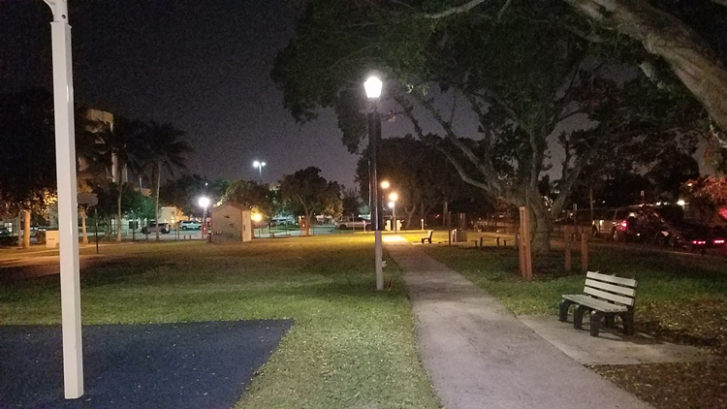
Many cities are planning their cities not only for efficient functionality, but also for resiliency. A result of this planning change has been that emergency planners and infrastructure strategists are asking more frequently, “Is Solar Lighting Used in City Planning?“ The solar light fixture provides a light source during periods when grid power fails or is interrupted due to severe weather or other unanticipated events. In addition to aiding with the continuity of public service and enhancing safety, solar lighting helps improve urban design as well as support emergency preparedness by creating more resilient urban infrastructure strategies.
Why City Planners Prioritize Solar Lighting for Resilience
From an infrastructure resilience perspective, solar lighting delivers strategic advantages that support long-term city planning goals:
- Functionality During Grid Downtime: Solar lighting is not impacted by power failures, ensuring that public areas are always well-lit.
- Less Vulnerability to Centralized Energy Infrastructure Disruptions: Solar lighting decreases the vulnerability to a mass lighting failure in the event of an emergency.
- Improved Public Safety and Emergency Response: Solar lighting improves evacuation paths, emergency accessibility, and night visibility.
- Durability During Extreme Weather Conditions: Solar lighting solutions are engineered to operate under the influence of storms, heat waves, and other environmental conditions.
- Integration with Urban Expansion Plans: Urban expansion plans can integrate lighting solutions without investing in expensive power grid upgrades.
These considerations make solar lighting a viable and strategic option for resilient city planning.
How Solar Lighting Strengthens Long-Term Urban Resilience
A traditional city’s street light infrastructure could be affected by a power failure that would either be caused by a natural disaster or an electrical grid overload. Solar-powered street light systems decentralize where the power is generated and stored, thus reducing their reliance on the grid. Because solar-powered systems are independent from the electric utility system, there are less likely to experience a complete failure of services due to a catastrophic event.
By allowing cities to have greater continuity of public lighting, providing cities with less disruption during normal business operations, and creating more alternatives to use during emergencies, solar streetlights give a resilience strategist’s perspective of lower risk. Moreover, solar streetlights will not only support sustainability objectives but also decrease energy and maintenance expenditures. The combination of being resilient, effective, and highly adaptive is why we see greater integration of solar streetlights into contemporary urban planning.
How ClearWorld Supports Resilient City Planning
ClearWorld designs solar lighting solutions specifically aligned with the needs of cities focused on resilience, reliability, and long-term infrastructure performance.
- Solar lanterns that do not require a connection to the local electric grid are available as off-grid lighting solutions.
- They are capable of providing illumination to people who may be located far from a power source, even if the power goes out.
- Energy Storage systems are integrated into the solar lanterns to provide energy for all-night, long-lasting use, even when the power is cut off.
- The products are designed and manufactured to meet the toughest of conditions found in urban areas. They are robustly built to withstand the rigors of urban living and to be easy to maintain.
- The solar lanterns offered by ClearWorld can be used to provide effective and scalable services to all cities across the country without the need for major building modifications to accommodate them.
Final Thought
Dependable lighting is an integral part of creating a safe and functioning city within a strategy set forth by an “infrastructure resilience” policy. In evaluating modern urban design, one will come across this question: “Is Solar Lighting Used In City planning?” It also speaks to the greater shift toward decentralized and resilient infrastructure for the future. Solar-powered lights provide continuous illumination during a grid outage. Therefore, using resilient solar technologies as part of the overall plan to develop cities allows municipalities to increase public safety and create infrastructure that is ready for the long-term challenges that we may face.