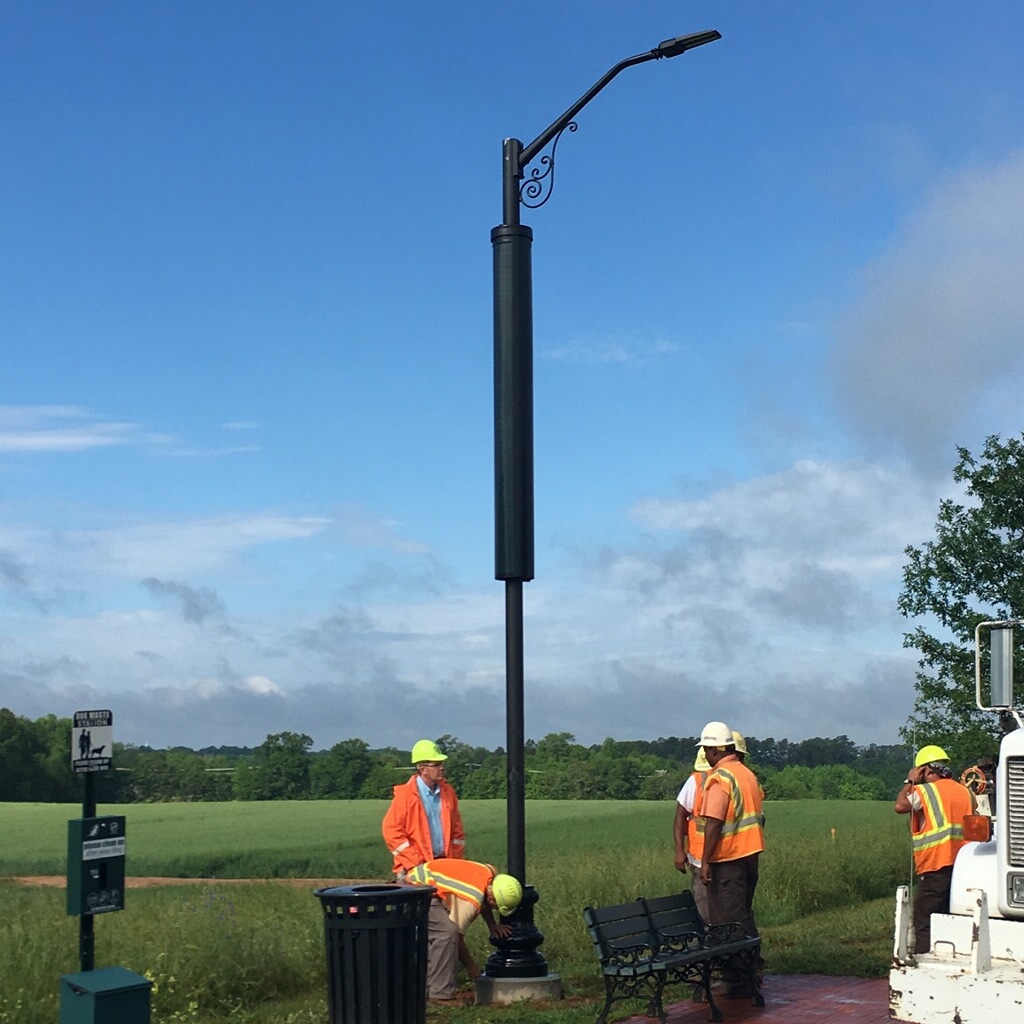
How Can Energy Efficient Solar Street Lights Benefit Commercial Developers?
What does it actually cost a development to keep its streets lit for the next twenty years? Most planning teams don’t ask that question until the budget’s already tight, and by then, the lighting decision has usually been made on upfront price alone. We work with commercial developers weighing Energy Efficient Solar Street Lights against traditional grid-tied systems, and the answer almost always comes down to lifecycle cost, not the number on the initial quote. If outdoor lighting is on your radar for an upcoming project, here’s what actually factors into that decision.
How Can Energy Efficient Solar Street Lights Lower Project Costs?
Grid-tied lighting doesn’t stop costing money once it’s installed. Electricity bills accumulate every month, and trenching for new circuits adds real expense before a fixture even goes up, especially across a large footprint where distances between poles add up fast.
Solar street lights remove both of those costs almost entirely. Each fixture generates and stores its own power, so there’s no ongoing electricity draw and no underground wiring required, which changes the cost picture for the entire project starting in year one, not five years down the road.
Why Choose ClearWorld for Energy Efficient Solar Street Lights?
We think about lighting as part of a development’s long-term infrastructure, not something to fill in once everything else is already locked. That means planning for performance, maintenance, and cost well past the ribbon-cutting. Here’s what that looks like in practice.
- Lifecycle-focused design. We size systems around years of operation, not just initial output, so performance doesn’t quietly taper off early.
- Reduced maintenance demands. Fewer moving parts and sealed components mean fewer service visits over the life of the project.
- Flexible deployment options. Our systems work across parking structures, access roads, and pedestrian areas without a full redesign each time.
- Retrofit compatibility. Existing poles can often be reused, keeping costs down on sites that already have infrastructure in place.
- Consistent performance data. We help developers understand expected output and savings before they commit, not after.
That’s really why developers come back to us project after project, not just for the first installation.
What Should Developers Consider When Choosing Solar Street Lights?
Not every solar lighting system is built for the same scale or site conditions, and treating them all the same is where projects run into trouble. Before specifying anything, it’s worth working through a few practical questions with your lighting partner.- How much sunlight does the site realistically receive across the full year?
- What’s the expected foot and vehicle traffic in the areas being lit?
- Does the project need extra battery reserve for cloudy stretches?
- Are existing poles suitable for retrofitting, or is new infrastructure required?
- What ongoing maintenance support does the lighting provider offer once the system is live?
Working through these questions early saves a lot of costly redesign later in the project timeline.
How Do Energy Efficient Solar Street Lights Support Sustainable Projects?
Sustainability goals are increasingly part of how developments get approved, financed, and marketed to tenants. Lighting infrastructure is one of the more visible, measurable pieces of that picture. Here’s how solar street lights contribute directly.
- Reduced grid demand. Every self-powered fixture is one less draw on local utility infrastructure.
- Lower carbon footprint. Solar-generated power reduces a project’s reliance on fossil-fuel-based electricity.
- Outage resilience. Independent power supply keeps lighting functional even when the surrounding grid goes down.
- Certification support. Renewable lighting infrastructure can contribute toward sustainability certifications developers are already pursuing.
- Long-term brand value. Sustainable infrastructure choices reflect well on a development to tenants, investors, and the surrounding community.
Together, these factors make solar lighting a practical piece of a broader sustainability strategy, not just a nice line in a brochure.
Conclusion
Energy Efficient Solar Street Lights give commercial developers a clear path to lower operating costs, reduced maintenance, and real sustainability value across a project’s lifecycle. If outdoor lighting is on your list for an upcoming development, we’re glad to help you think it through. Reach out to ClearWorld to start the conversation.