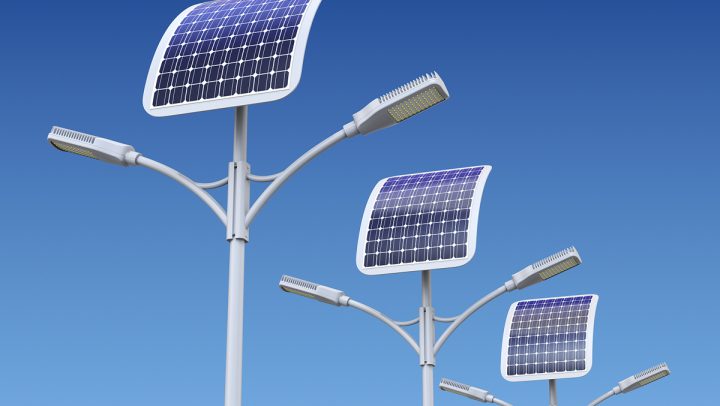
Need Lighting Far From the Grid? Solar Infrastructure Lighting Can Help
What happens when a site needs dependable lighting at night, but the nearest electrical connection sits several miles away from the pole location? Solar Infrastructure Lighting solves this by generating and storing power at each pole, so crews skip long cable runs entirely. Facility managers and municipal teams meet this delay often, and the frustration they feel is easy to understand.
Trenching, permits, and utility coordination can stretch a simple lighting project into months of delay and unexpected spending for any property team. Many of them simply want to know whether a self-powered option exists and whether it holds up in real conditions. Keep reading, because the answer shows how one retrofit decision can bring light back to a dark site.
How We Approach Solar Infrastructure Lighting for Difficult Sites
At ClearWorld, we have spent 15 years focused on outdoor solar LED lighting, and our mission is to give communities dependable light without waiting on grid expansion. We build our light for sites where trenching, cabling, and long utility extensions slow projects down and disrupt the people who work nearby.
What sets us apart is our patented RetroFlex design, which converts suitable existing poles into independently powered lighting instead of replacing everything. We pair flexible solar panels, lithium batteries, and LED lamps, so each pole runs without grid dependence, and our systems keep working during power outages when residents need light most.
How Does Solar Infrastructure Lighting Work on Different Types of Sites?
This lighting works as one independent system, where panels collect daylight, batteries store it, and LED fixtures use it after dark, while controls and the pole hold everything together. The five situations below show how that setup solves real power problems for different properties, public agencies, and the people who rely on those lights every night.
Rural roads
Rural roads often lack nearby electrical service, yet residents still need safe travel after dark. Self-powered poles bring light to those stretches without waiting for long utility extensions, and installation avoids the digging and cabling that make remote projects slow and costly for small communities.
Parking lots
Property teams often want better lighting for a busy lot without tearing up recently finished pavement or closing parking spaces for weeks. Because solar poles need no trenching or new cabling, crews can add light to a lot while tenants and visitors keep using the space with far less disruption.
Aging municipal sites
Existing poles at older municipal sites are often still sound, even when the electrical side has reached the end of its useful life. Our retrofit approach upgrades suitable poles into solar lighting assets, which helps cities avoid replacing structures that still work and limits disruption for the crews and residents involved.
Highway interchanges
Interchanges and ramps need dependable light for drivers, yet extending utility lines there adds another layer of construction and traffic disruption. Our customer list includes state transportation departments in Florida and Arizona, so highway work is familiar ground for us, and self-powered poles let crews keep construction focused on the road itself.
Campuses and architectural lighting poles
Campuses and commercial properties often care about how poles look, so we review pole style and condition alongside power needs, including sites that use architectural lighting poles. Sun exposure also matters, since a shaded corner charges differently from an open lot.
Each situation points to the same lesson, which is that the right design depends on the site’s sunlight, lighting needs, and pole condition, not on a single product.
Planning Solar Lighting as Long-Term Infrastructure
At ClearWorld, we treat solar lighting as infrastructure, not as a single fixture, so we look at battery capacity, panel sizing, operating schedules, and weather before recommending anything. Where intelligent controls are included, teams gain better visibility into performance and can plan maintenance before a small fault turns into a dark road.
Conclusion
Architectural Lighting Poles let sites move forward when grid connections are too far, too slow, or too disruptive to install. We built our solutions around that reality, and ClearWorld welcomes facility, municipal, and transportation teams to contact us and review together which poles suit their sites and long-term budgets.